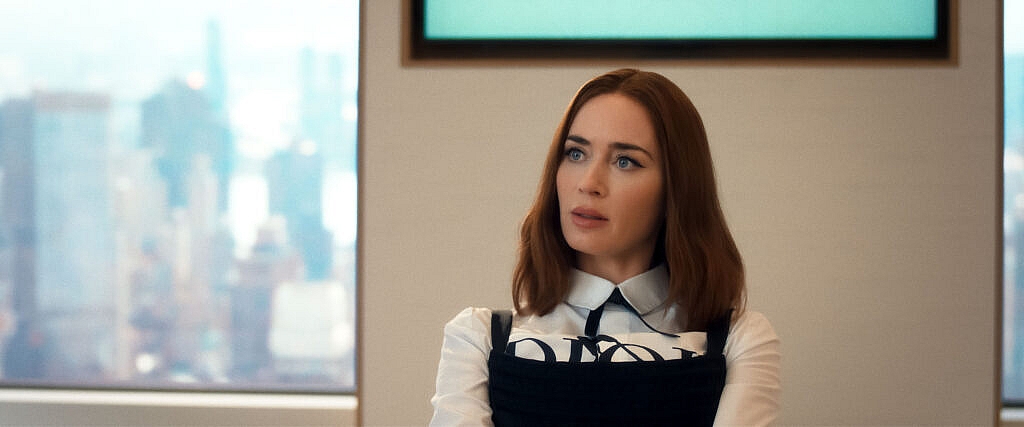
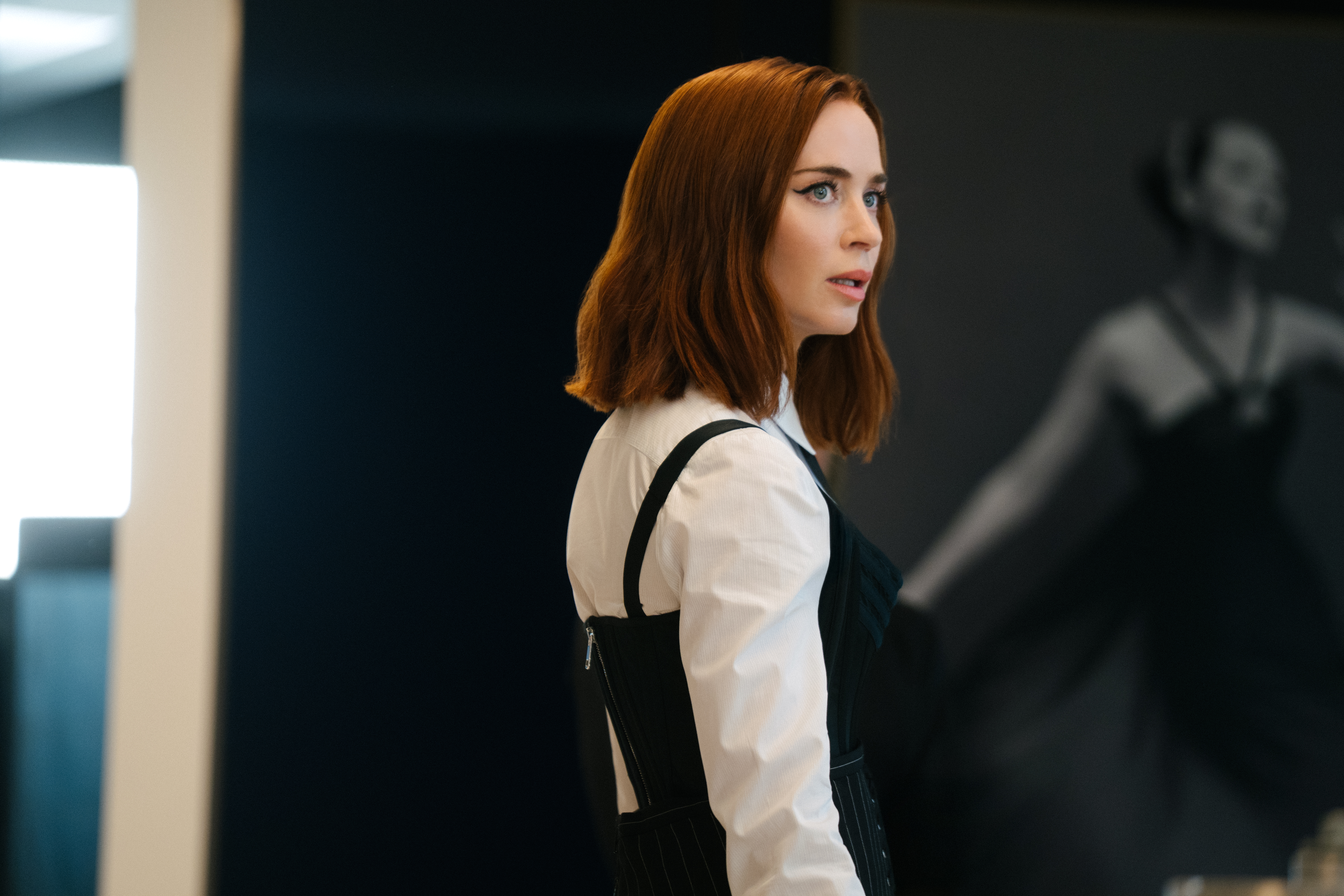
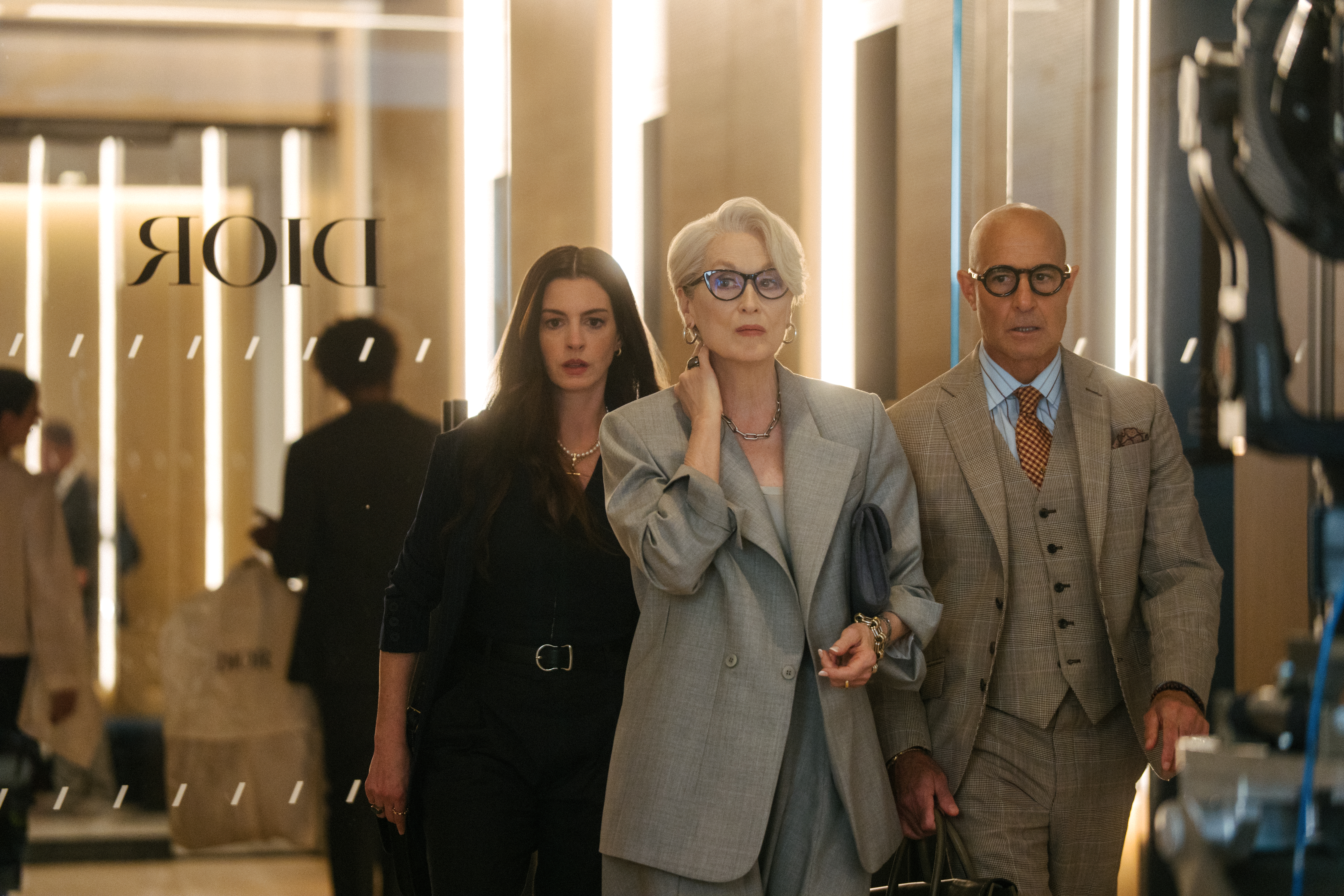
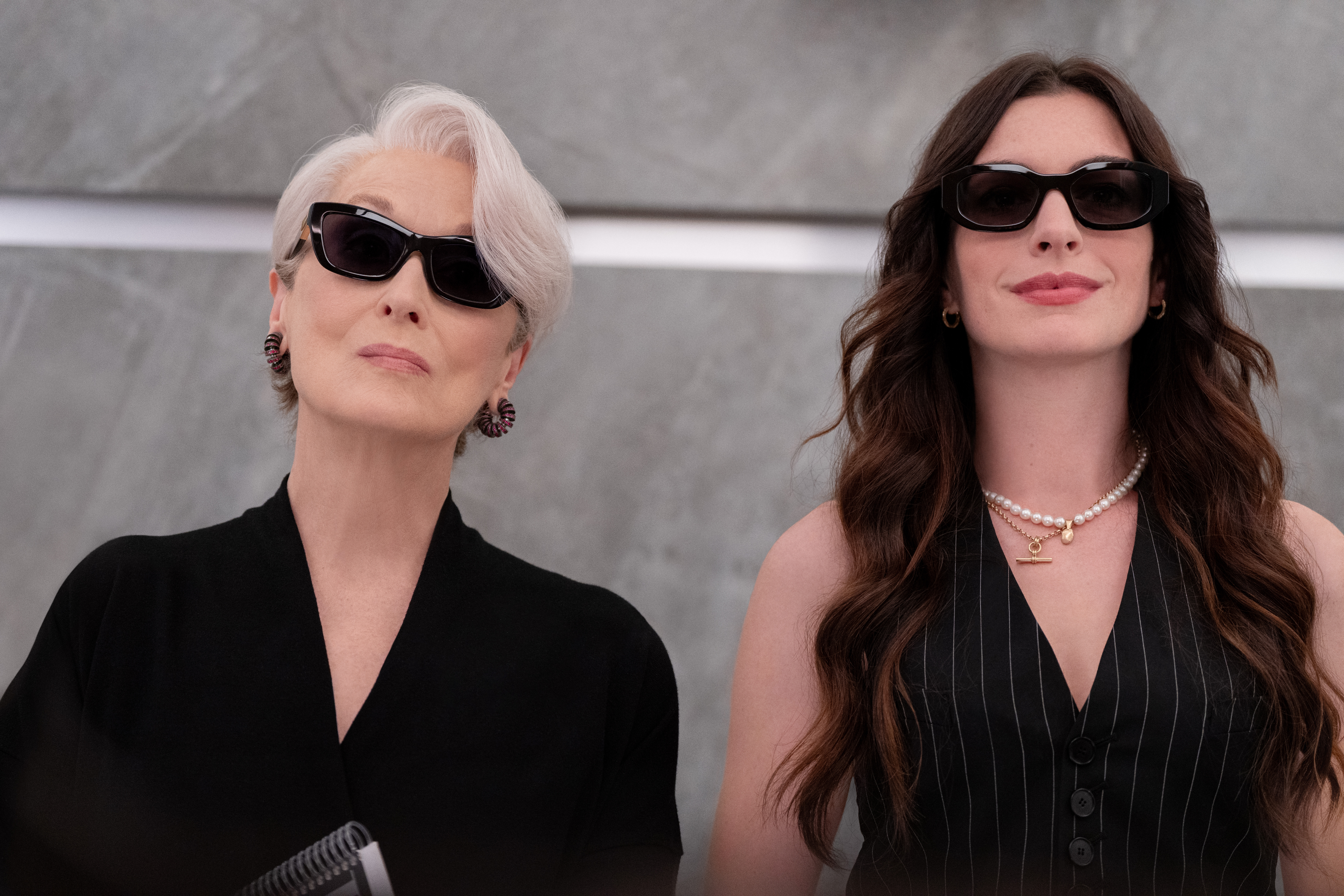
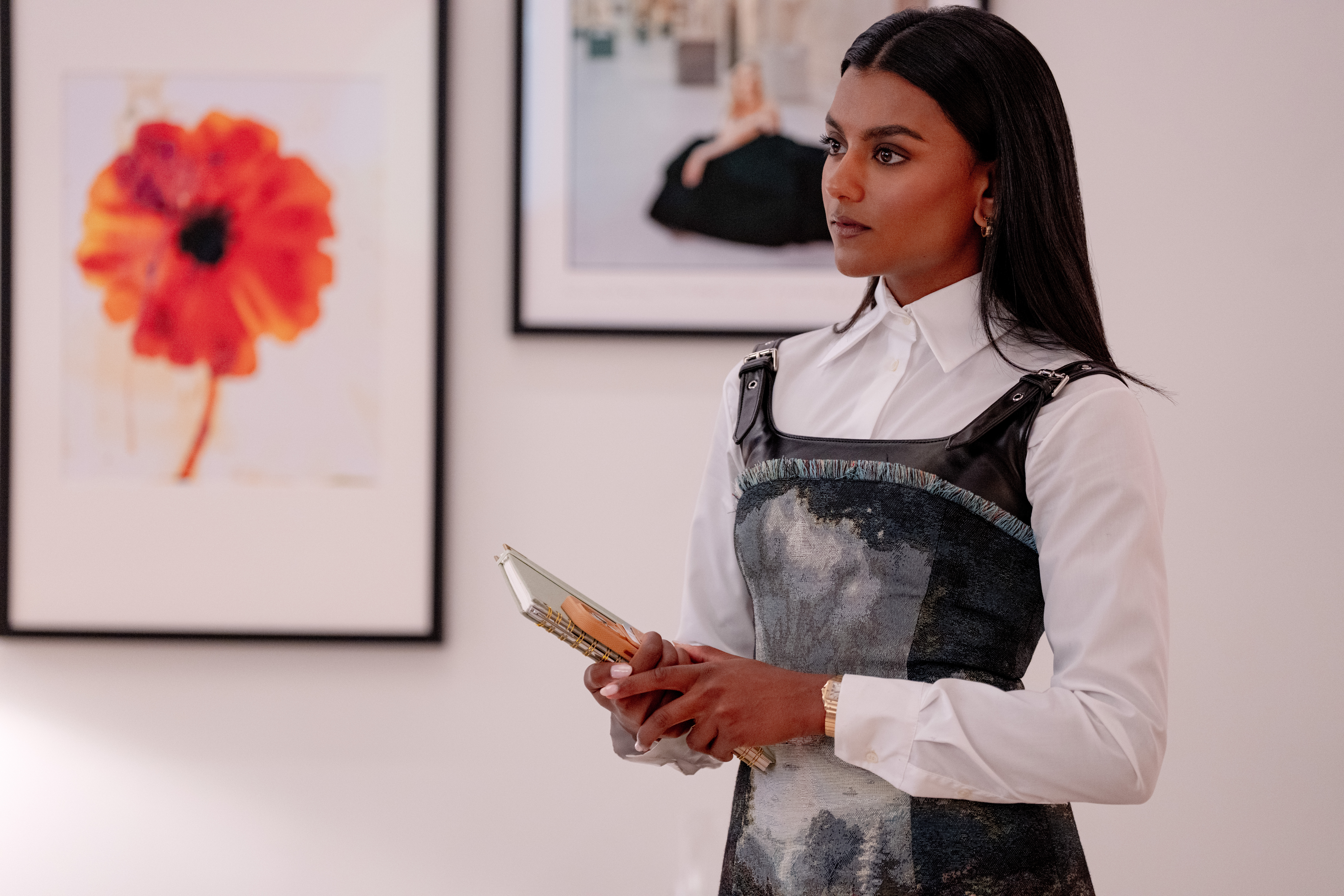
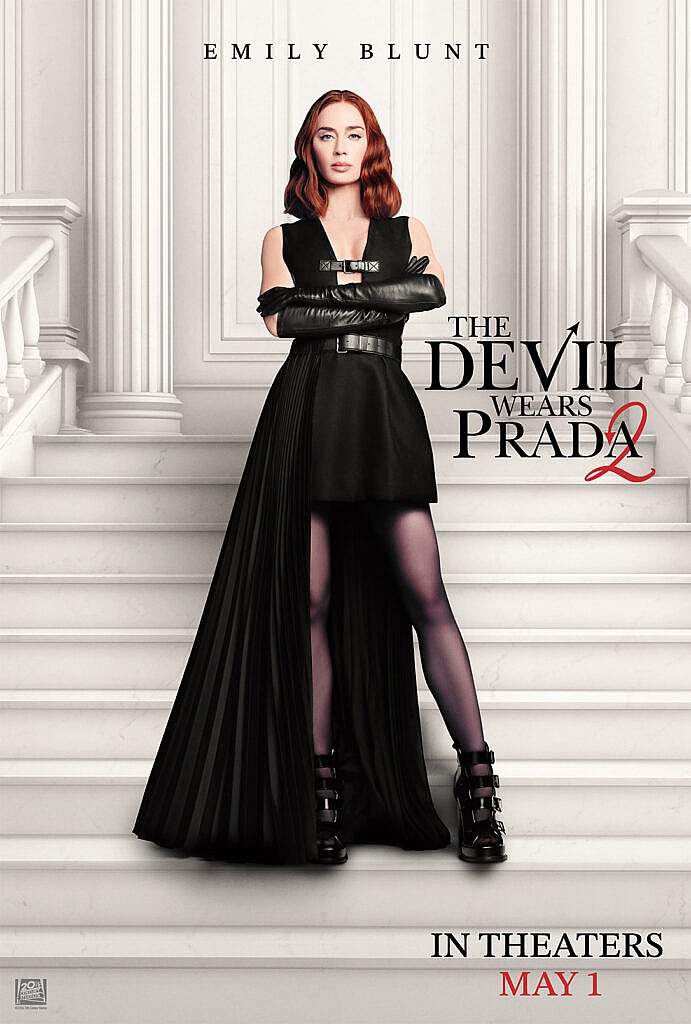
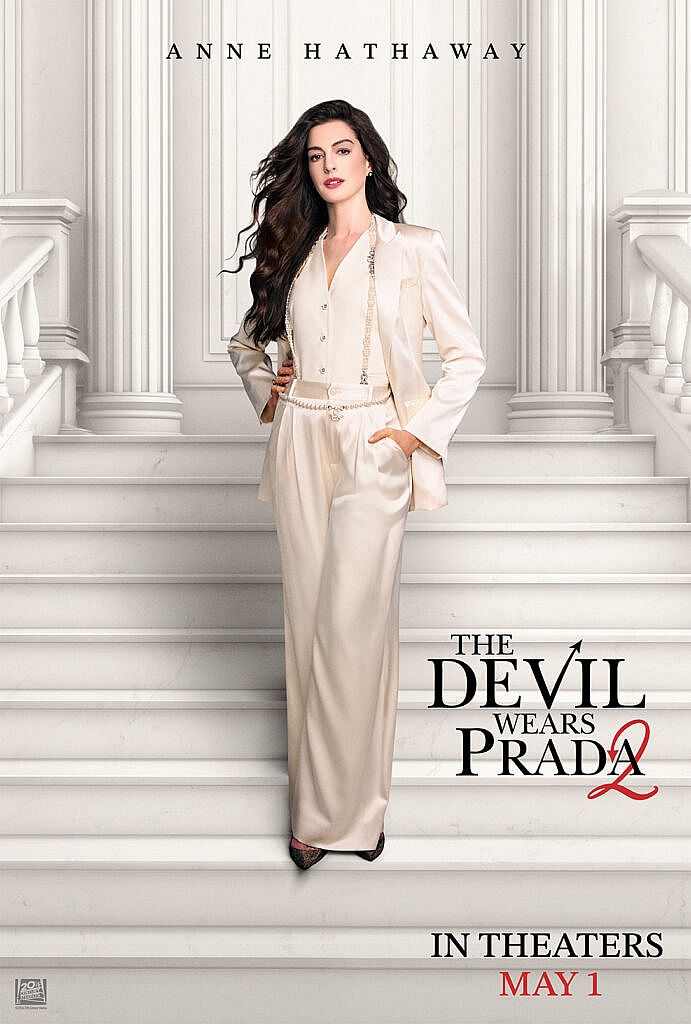
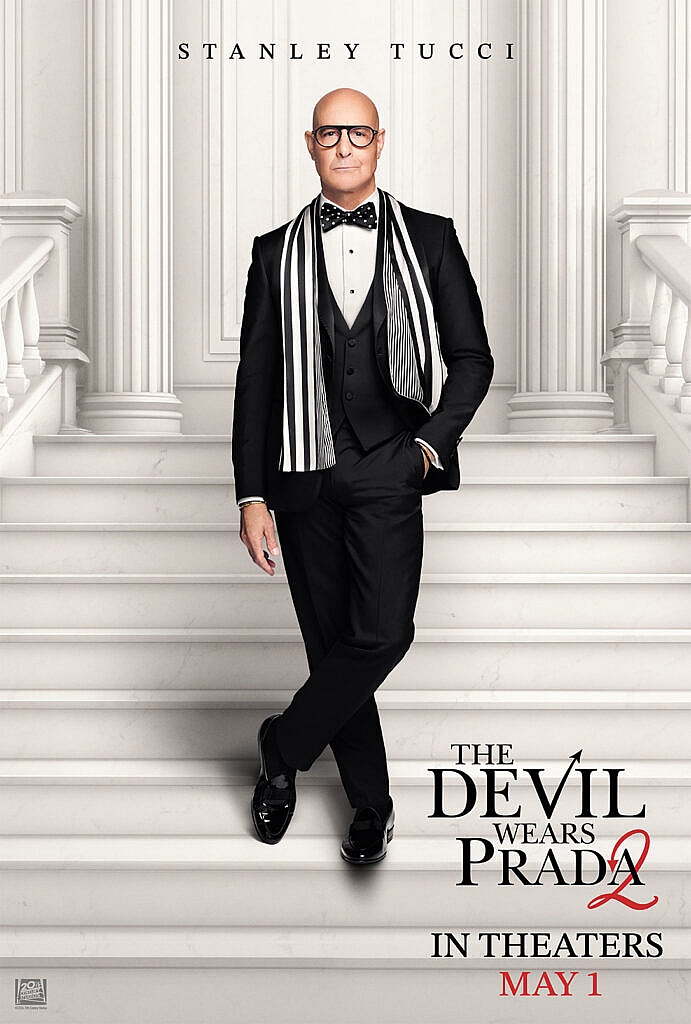
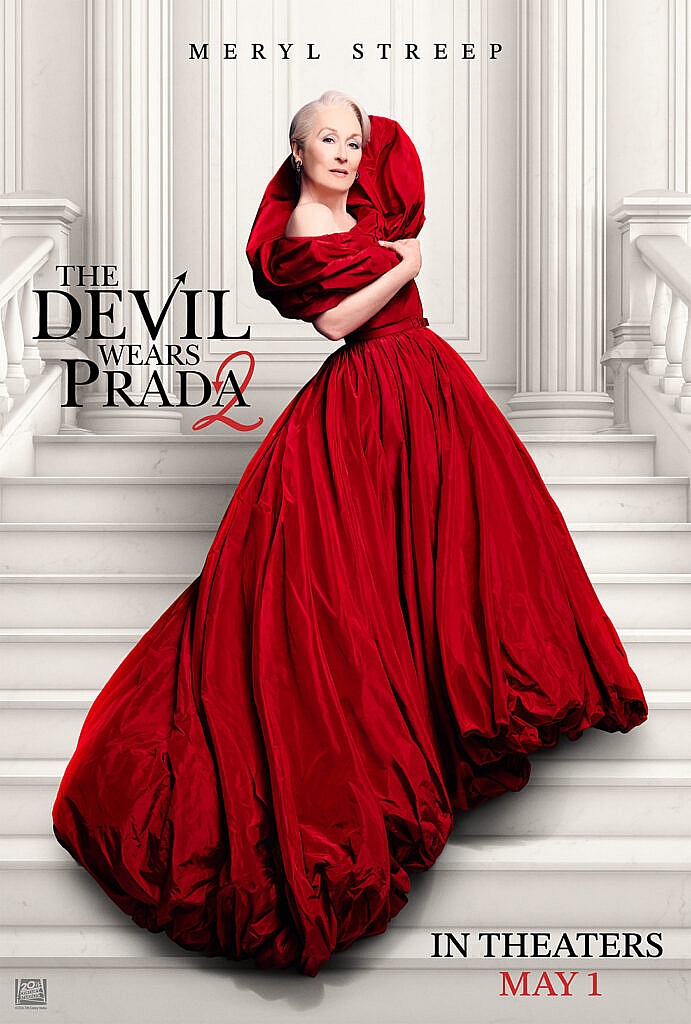
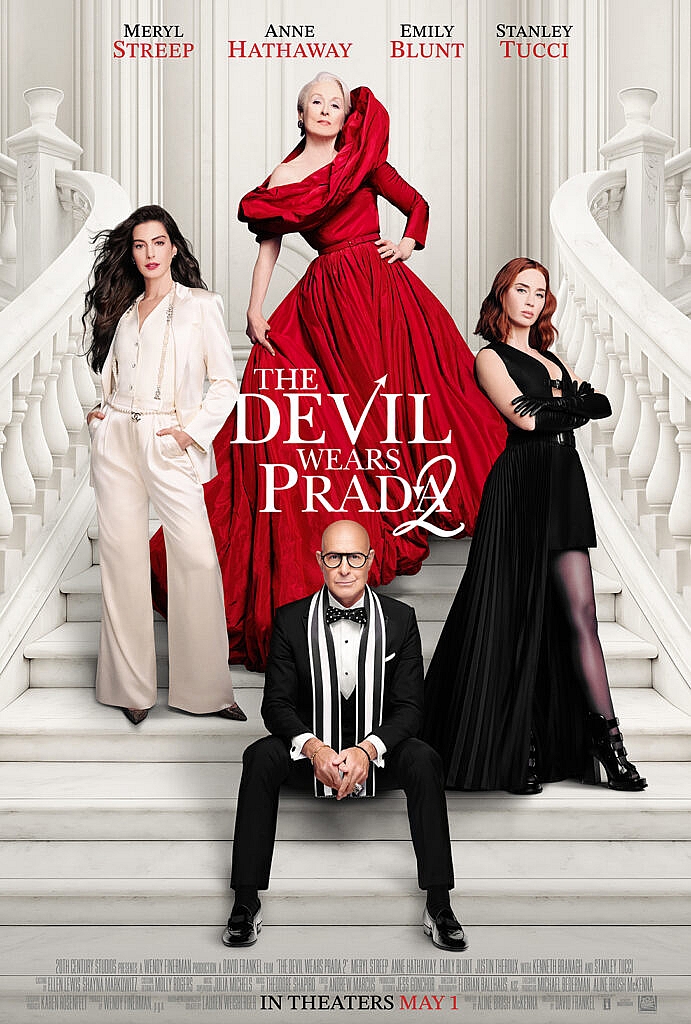
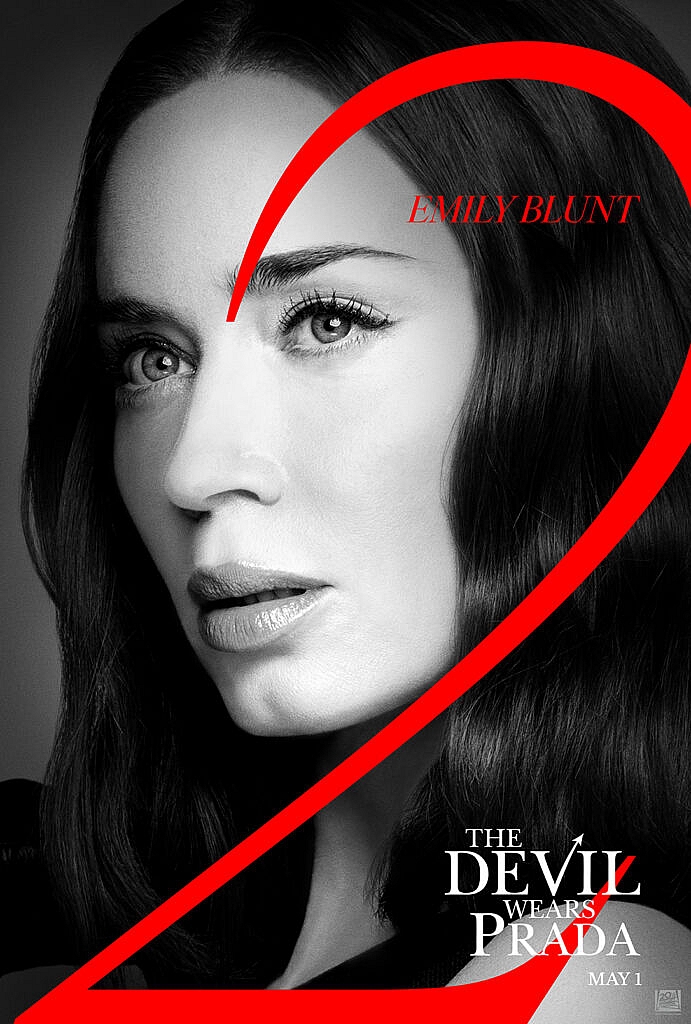
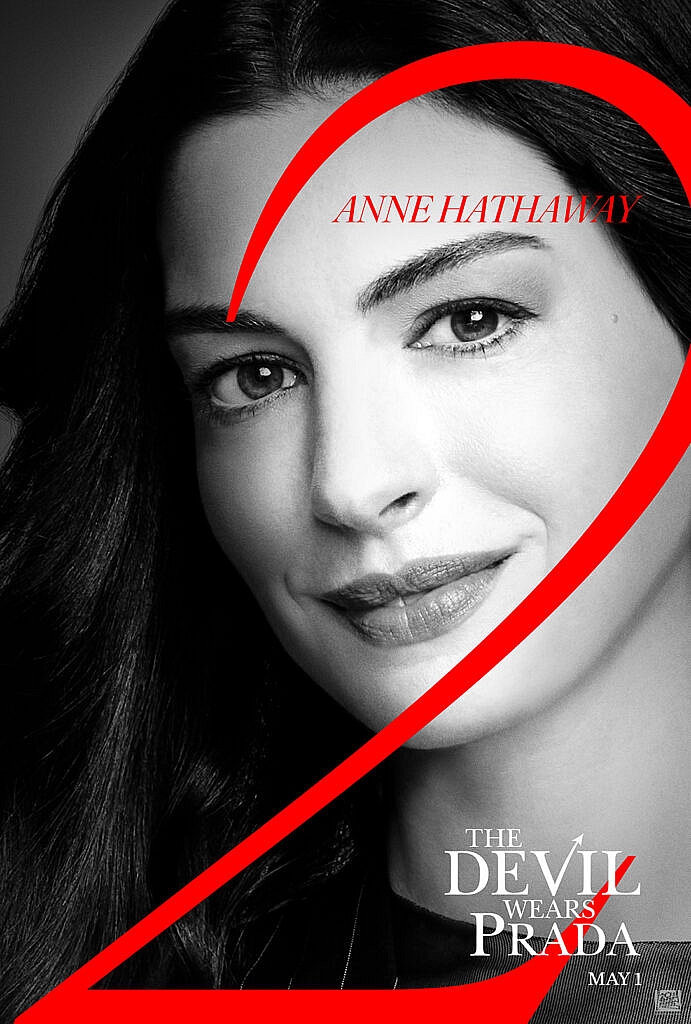
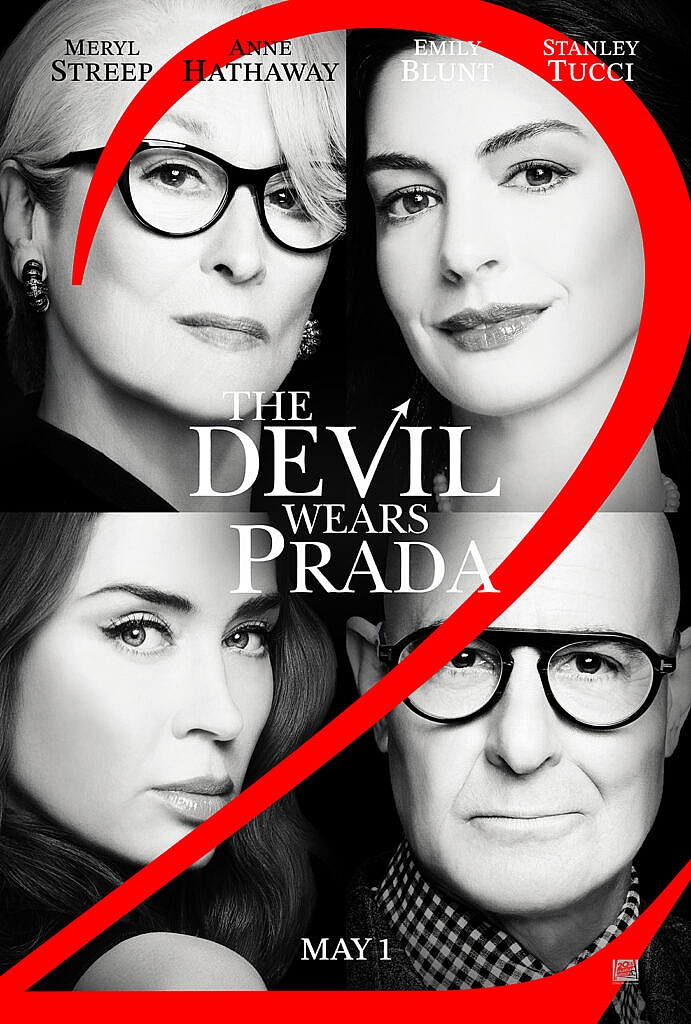
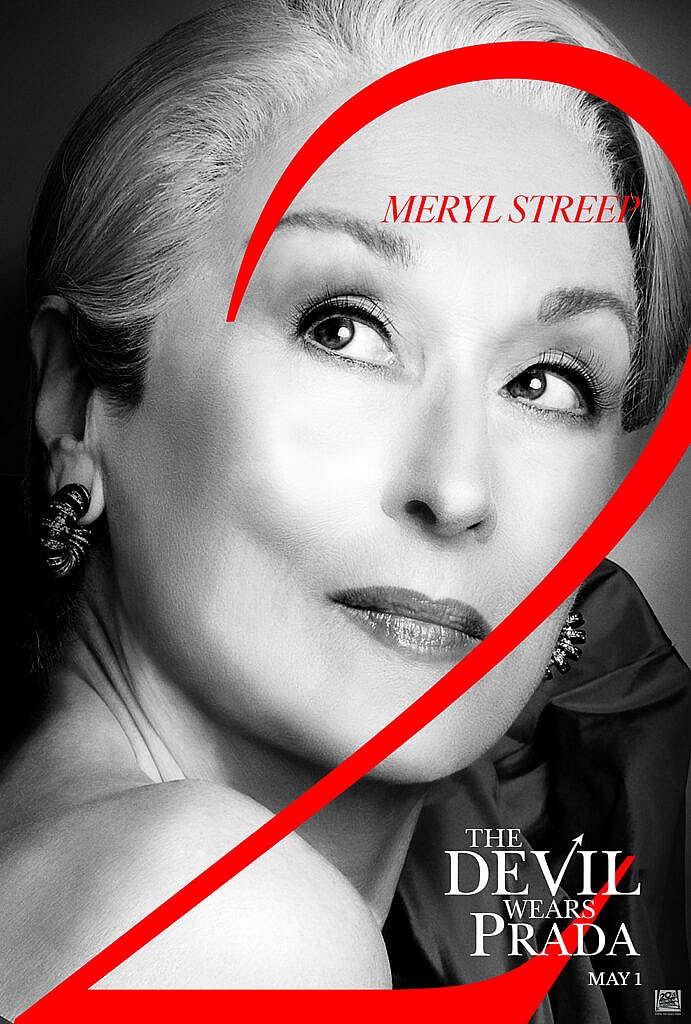
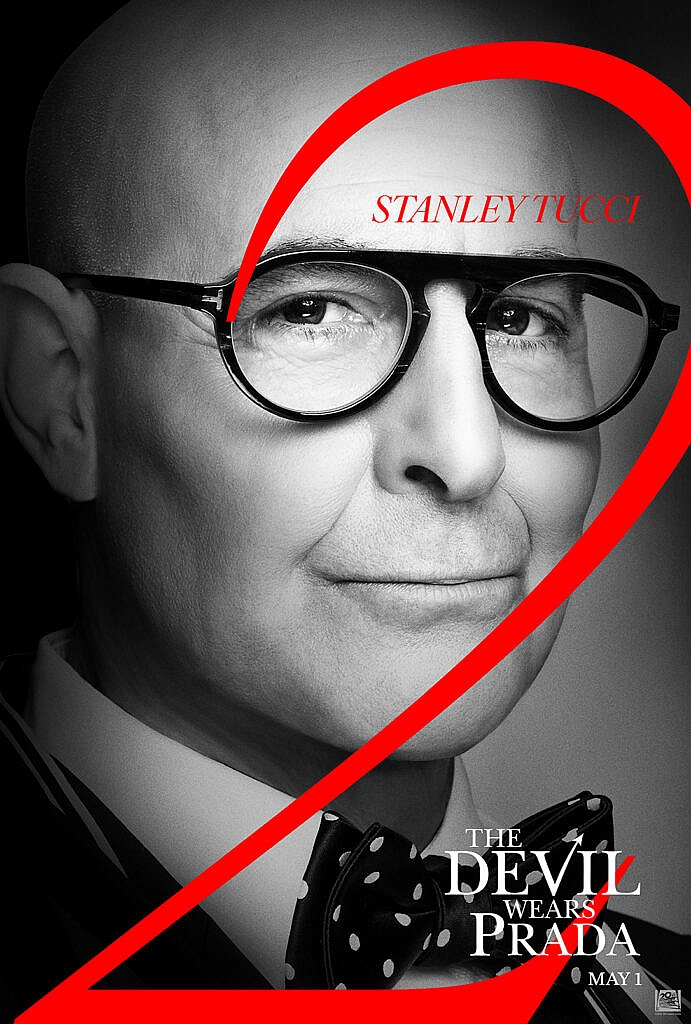
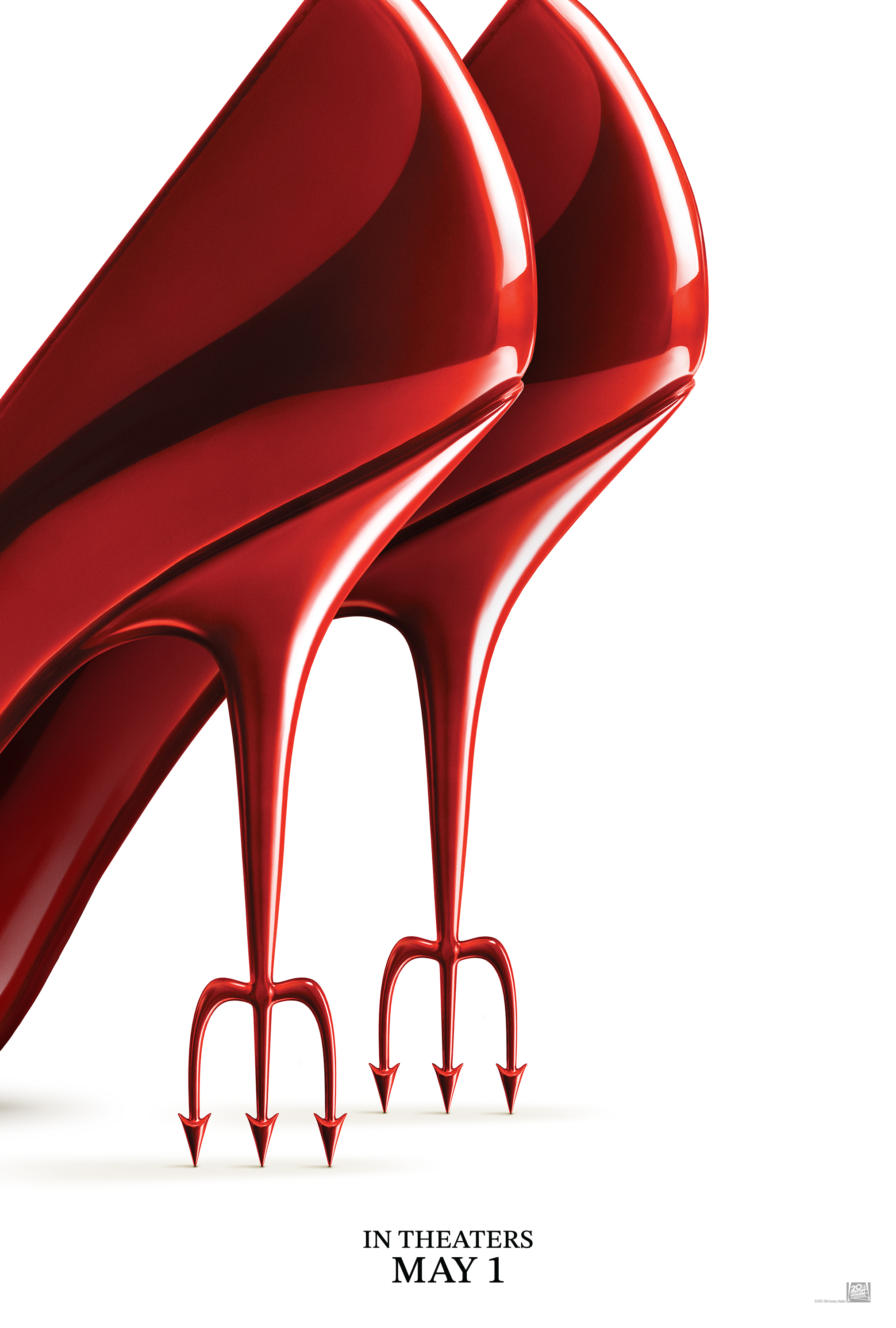
Twenty years after making their iconic turns as Miranda, Andy, Emily and Nigel—Meryl Streep, Anne Hathaway, Emily Blunt and Stanley Tucci return to the fashionable streets of New York City and the sleek offices of Runway Magazine in 20th Century Studios’ “The Devil Wears Prada 2,” the eagerly awaited sequel to the 2006 phenomenon that defined a generation. The film is directed by David Frankel, written by Aline Brosh McKenna, produced by Wendy Finerman, and executive produced by Michael Bederman, Karen Rosenfelt and Aline Brosh McKenna.
After 20 years, everyone is back for the sequel not just in front of the camera, but behind it as well, with director David Frankel (Marley & Me) and writers Aline Brosh McKenna (Cruella) and Lauren Weisberger (The Devil Wears Prada) returning. Two decades have also passed within the world of the film, and yet it’s as if no one has aged a day.
Change is inevitable, and it serves as the film’s narrative throughline. In the past, subscribers would rush to newsstands to purchase the latest issue of a magazine; now, a modeling agency or publication is lucky if audiences even glance at their content while scrolling on a mobile device. The world has changed drastically, and that shift is what the main cast must navigate throughout the film.

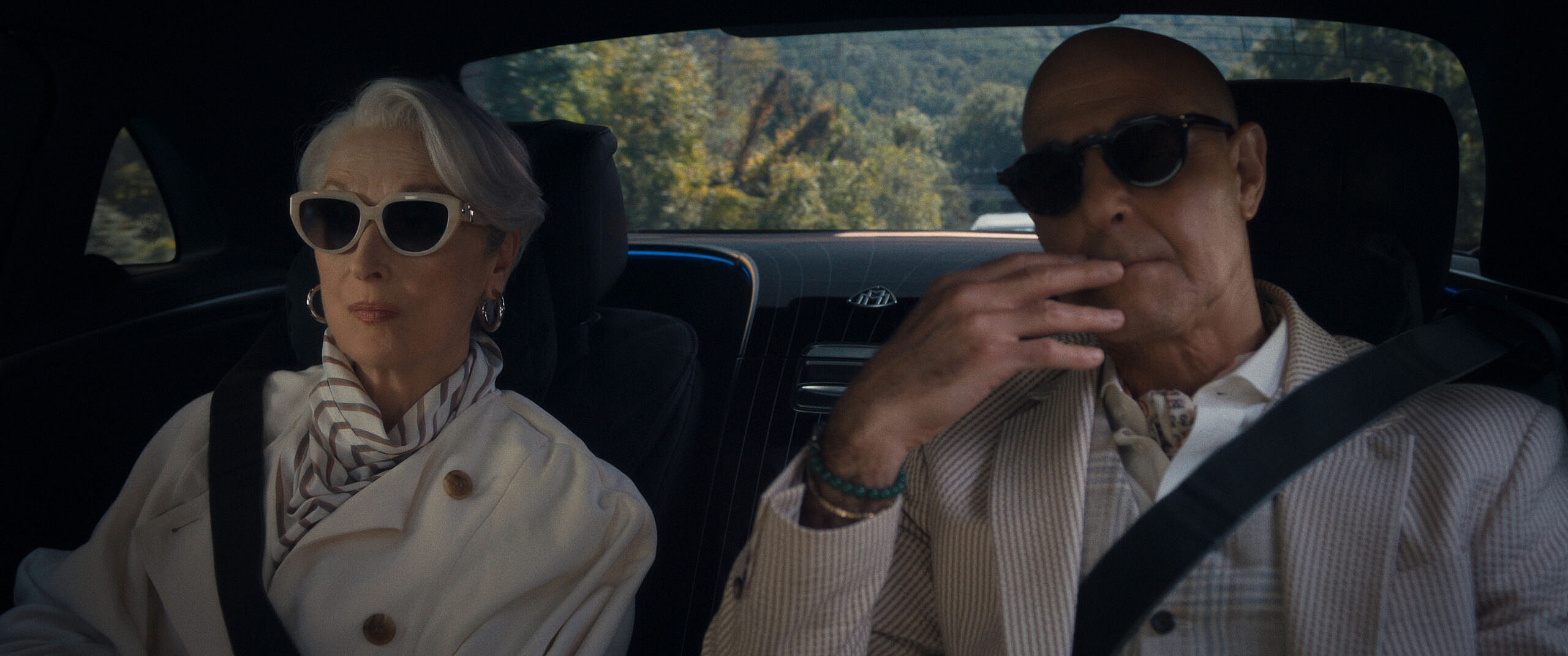
Andy (Anne Hathaway) is a struggling journalist who, through no effort of her own, is thrust back into the life of Miranda Priestly (Meryl Streep). Miranda still has her right-hand man, Nigel (Stanley Tucci), by her side, and Emily (Emily Blunt) returns as well with more to do. The entire cast has matured and grown. It’s clear that lessons have been learned about how to move within society, even as each character remains true to their core. Miranda, in particular, has softened slightly and is no longer as outwardly cold or harsh as before. However, as she leans toward retirement, her passion for the fashion industry remains strong, and she will stop at nothing to maintain her place at the top.
In addition to the changing world, the film highlights the importance of maintaining relationships and remaining professional in the workplace. The idea of not burning bridges proves invaluable in this sequel, serving as a testament to how those choices can pay off even decades later. While the first film focused heavily on fashion and the latest trends among the elite, that aspect takes a backseat here. Instead, the film emphasizes themes of legacy and passing the baton to the next generation.

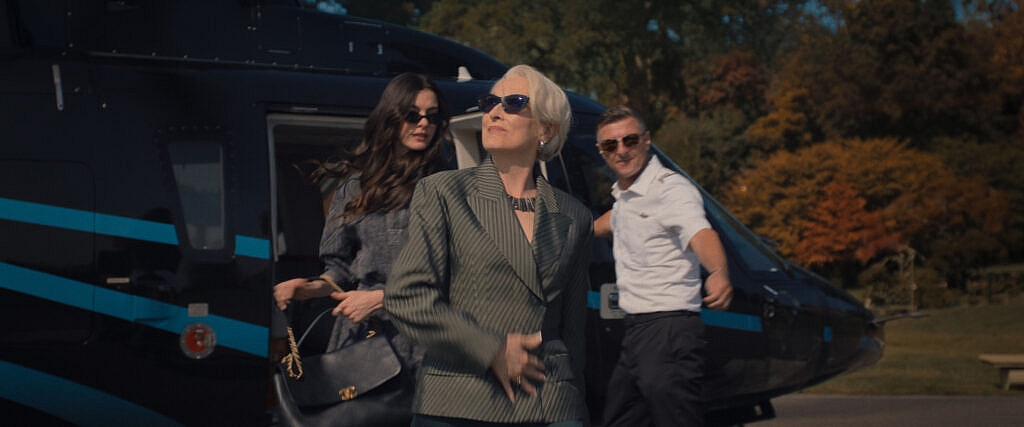
The film has its moments of humor, but it is not a full-fledged comedy. At the same time, there is an emotional core that makes you root for the characters and their success in both their personal and professional lives. It also raises an interesting question: what should one do when they are double-crossed in the workplace? Hold onto that resentment and make an enemy for life, or turn it into a lesson and potentially gain an ally? While most might lean toward the latter, it is easier said than done.
Although the film is strong, it doesn’t quite match the near perfection of the original. Still, it is an enjoyable experience seeing these characters return as they attempt not just to survive, but to thrive in an evolved fashion industry.
Video Review:

Official Trailer:

Final Trailer: